TechnoLabsz: Exploring OpenCV, Robotics and Embedded Technology
Welcome to Technolabsz, a hands-on technology journal covering computer vision, robotics, programming, electronics projects and open-source hardware. Browse the latest write-ups below, or jump straight to a topic that interests you.


Popular topics on the site:
Popular Posts
- How to easily install OpenCV on Raspberry Pi
- Eye blink detection using OpenCV in Ubuntu
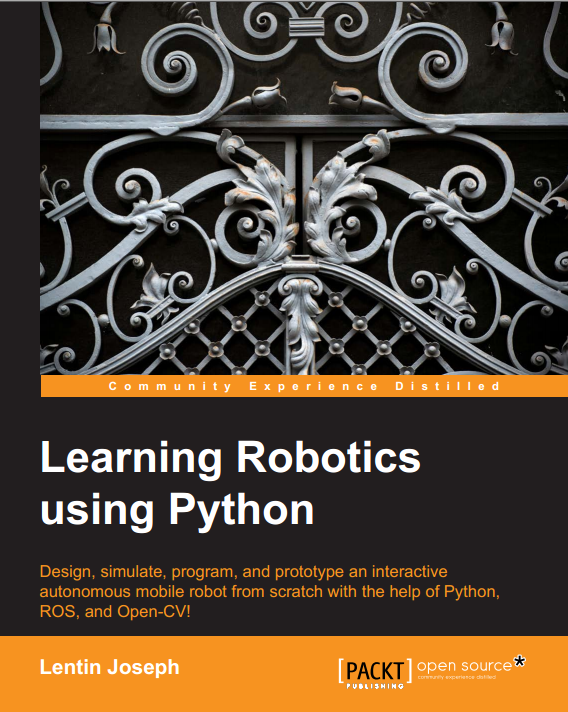
- Published a Book : "Learning Robotics using Python"
- How to do OpenCV Haar training ..
- mbed :An embedded board based on ARM
- Cubieboard: A threat to Raspberry Pi
- C++ Tips : Pointer to a Function
- Configuring XAMPP and Setting Wordpress , Drupal ,Joomla and sNews
- OpenCV Face+Nose+Mouth+Eye concurrent detection
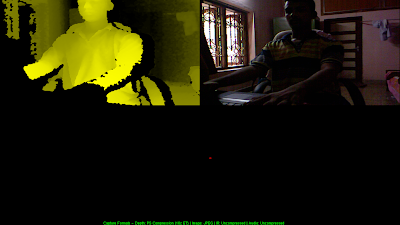
Kinect IR Pattern Captured using Mobile Camera
I recorded a video of the infrared pattern projected by the Kinect IR projector, and the result looks fantastic.
Posted by Lentin Joseph
Email This BlogThis! Share to X Share to Facebook
Labels: Kinect
Solved: cxtype.h not found in OpenCV
After OpenCV 2.3, the header file cxtype.h was replaced by cxcore.h. In the latest version, cxcore.h lives at the path opencv\cxcore.h.

Posted by Lentin Joseph
Email This BlogThis! Share to X Share to Facebook
Labels: OpenCV
How to do OpenCV haar-training in Windows 7
Here is the procedure for performing OpenCV haar training on Windows 7.
- Install and set up OpenCV in Microsoft Visual Studio 2008 or 2010.
- Build the object marker utility program. The code for this utility is provided. Its purpose is to mark the object to be trained. If we want to train a bottle in an image, just mark the area of the bottle using this utility.
Basic functions of this utility:
- Press the left button and mark the object.
- After marking, press double click.
- Press "SPACE" to record the area of the object.
- Press "ENTER" for the next image.
//Code of Object marker utility

Posted by Lentin Joseph
Email This BlogThis! Share to X Share to Facebook
Labels: OpenCV, OpenCV haar detection
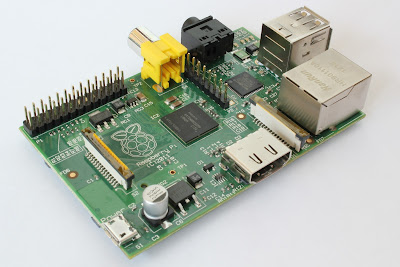
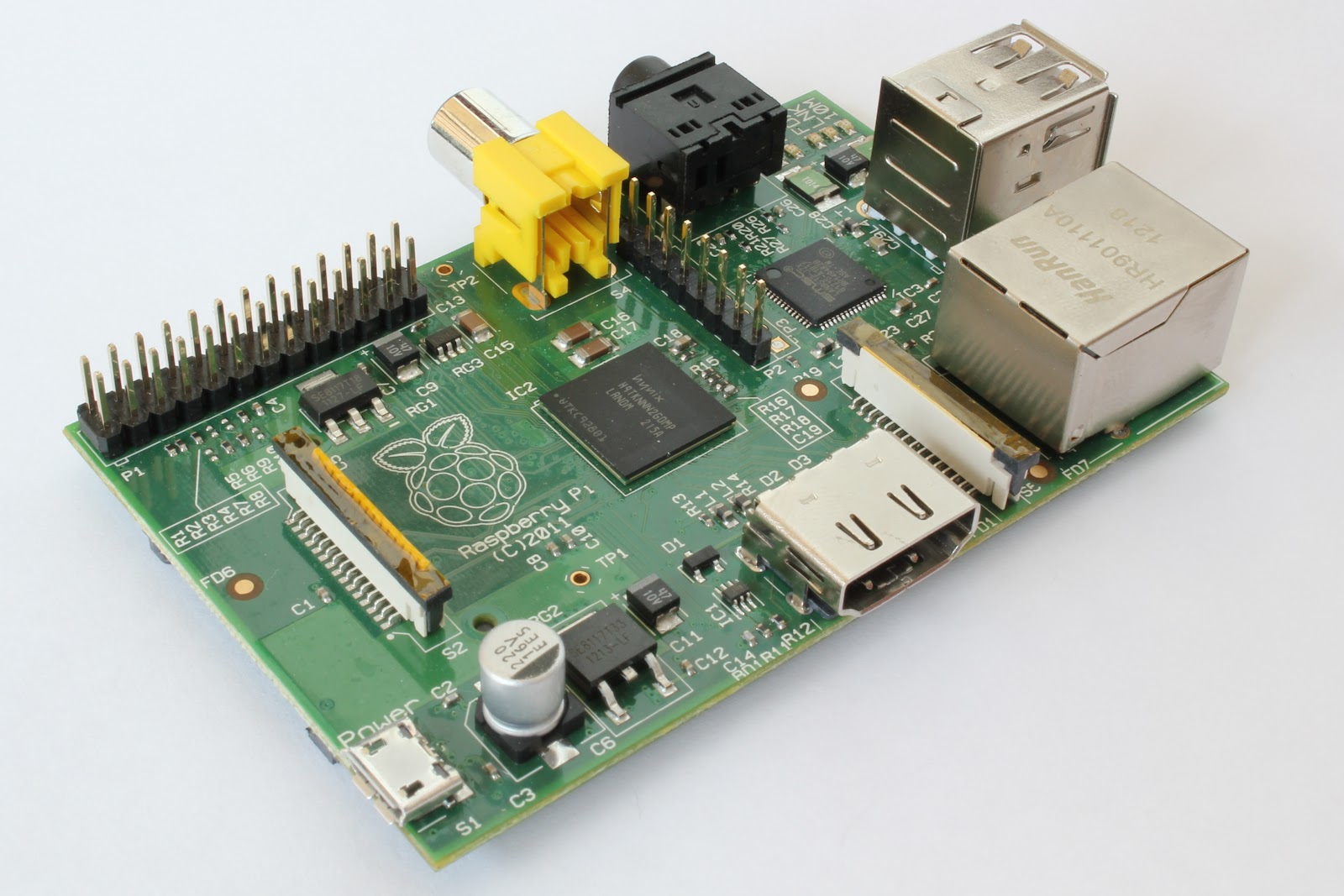
Raspberry Pi Vs Gooseberry board
A comparison between two of the latest embedded boards: Raspberry Pi and Gooseberry.
Posted by Lentin Joseph
Email This BlogThis! Share to X Share to Facebook
Labels: Embedded Systems, Raspberry Pi